

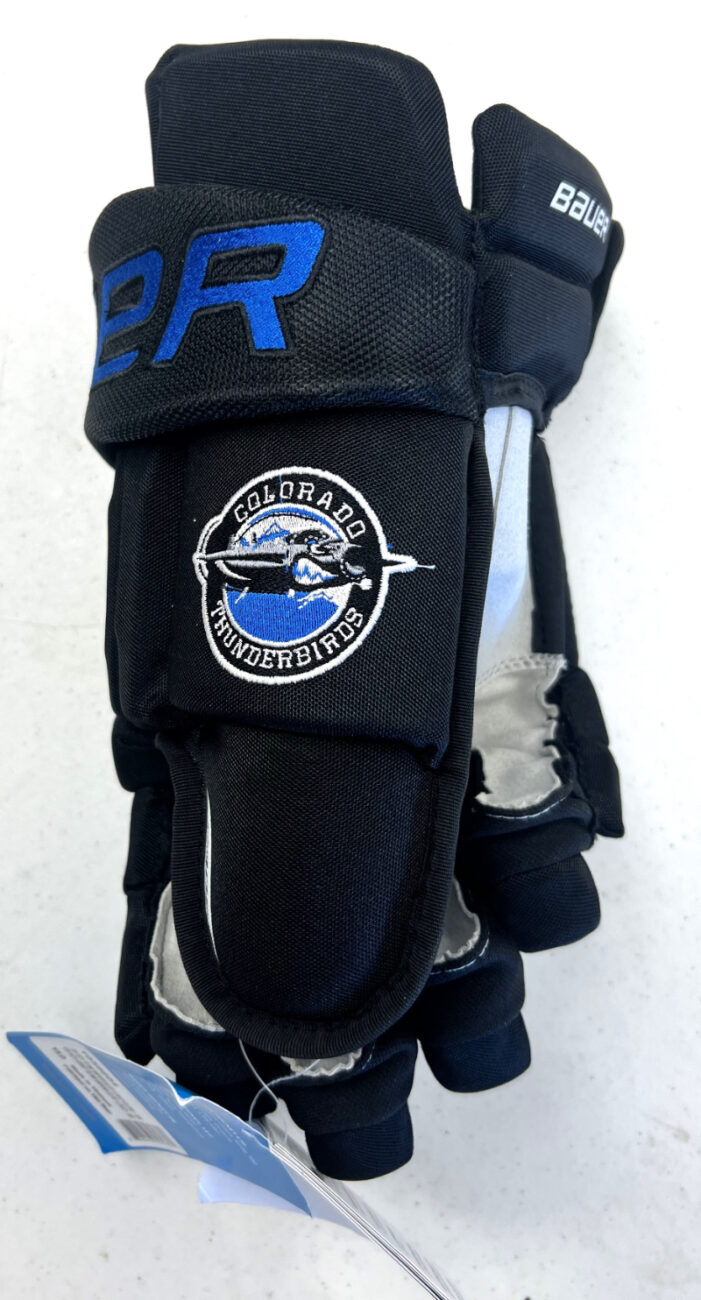
For youth hockey players in Colorado, having properly fitted equipment is crucial for both safety and performance. While a helmet and skates are often top-of-mind, one piece of gear that is frequently overlooked is the team hockey gloves. A correctly sized glove protects a player’s hands and wrists from sticks, pucks, and falls, while also allowing for the dexterity needed to handle the puck and shoot. Here’s a guide to help you find the perfect fit for your young player.
Key Measurements to Take When Sizing Team Hockey Gloves for Youth
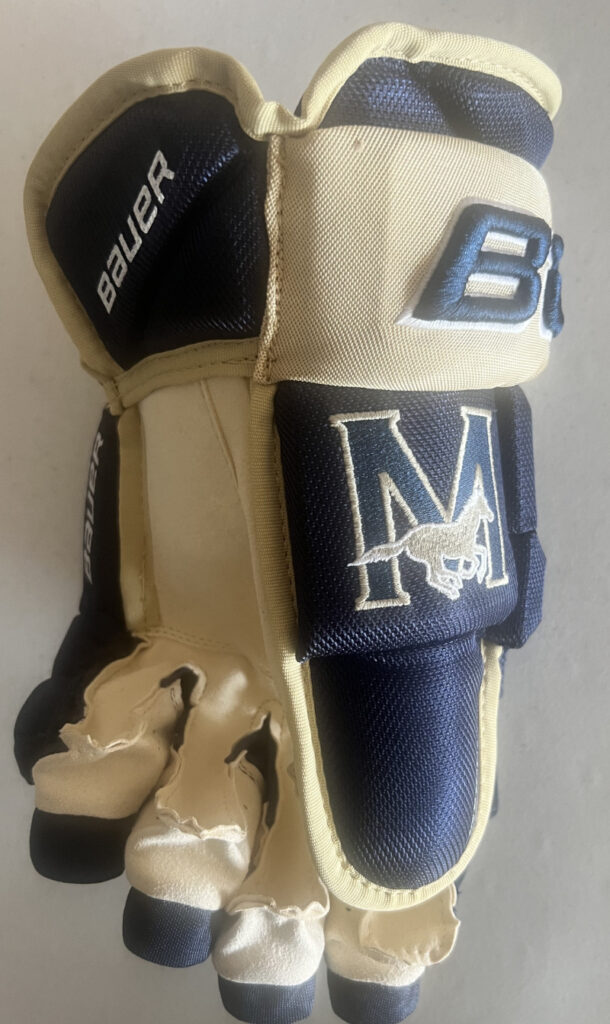
Finding the right size for team hockey gloves starts with a simple measurement. Most glove sizes correspond to the length of a player’s hand, measured in inches.
- Hand Length: Using a measuring tape, measure from the base of the palm (where the wrist bends) to the tip of the middle finger. This measurement will give you the general glove size (e.g., 8 inches, 9 inches, etc.).
- Overall Arm Length (Optional but Recommended): For a more comprehensive fit, you can also measure from the fingertips to the elbow crease. The glove’s cuff should ideally cover the wrist area to provide full protection without restricting mobility.
Keep in mind that sizing can vary slightly between brands, so these measurements are a starting point. It’s always best to have the player try on a few different pairs to find the one that feels most comfortable and secure.
Common Fit Issues with Hockey Gloves and How to Avoid Them
A poor fit can lead to more than just discomfort; it can impact a player’s game and even lead to injury.
- Gloves That Are Too Big: The most common mistake is buying gloves that are too large, assuming the player will “grow into them.” Oversized gloves can be a major safety hazard. They can slide off during a check or a fall, leaving the hands and wrists exposed. They also make it difficult for a player to get a proper grip on the stick, hindering their stick-handling and shooting skills. A properly fitting glove should not slide freely on the hand.
- Gloves That Are Too Small: Gloves that are too tight, on the other hand, can restrict blood flow and limit finger movement, causing discomfort and fatigue. The player’s fingertips should not be jammed against the end of the glove. A good fit allows for a full range of motion and a comfortable grip.
To check for a proper fit, have the player put the gloves on and make a fist. The glove should feel snug but not restrictive. The cuff should cover the wrist without interfering with the player’s arm pads.
Finding the right pair of team hockey gloves is a key step in preparing your young athlete for a safe and successful season on the ice in Colorado. For expert advice and a wide selection of high-quality gear, contact W Team Sales for all your team hockey gloves needs.